
USA-first hubs
Jump to FDA-based guides that help shoppers understand labels and avoid major allergens.
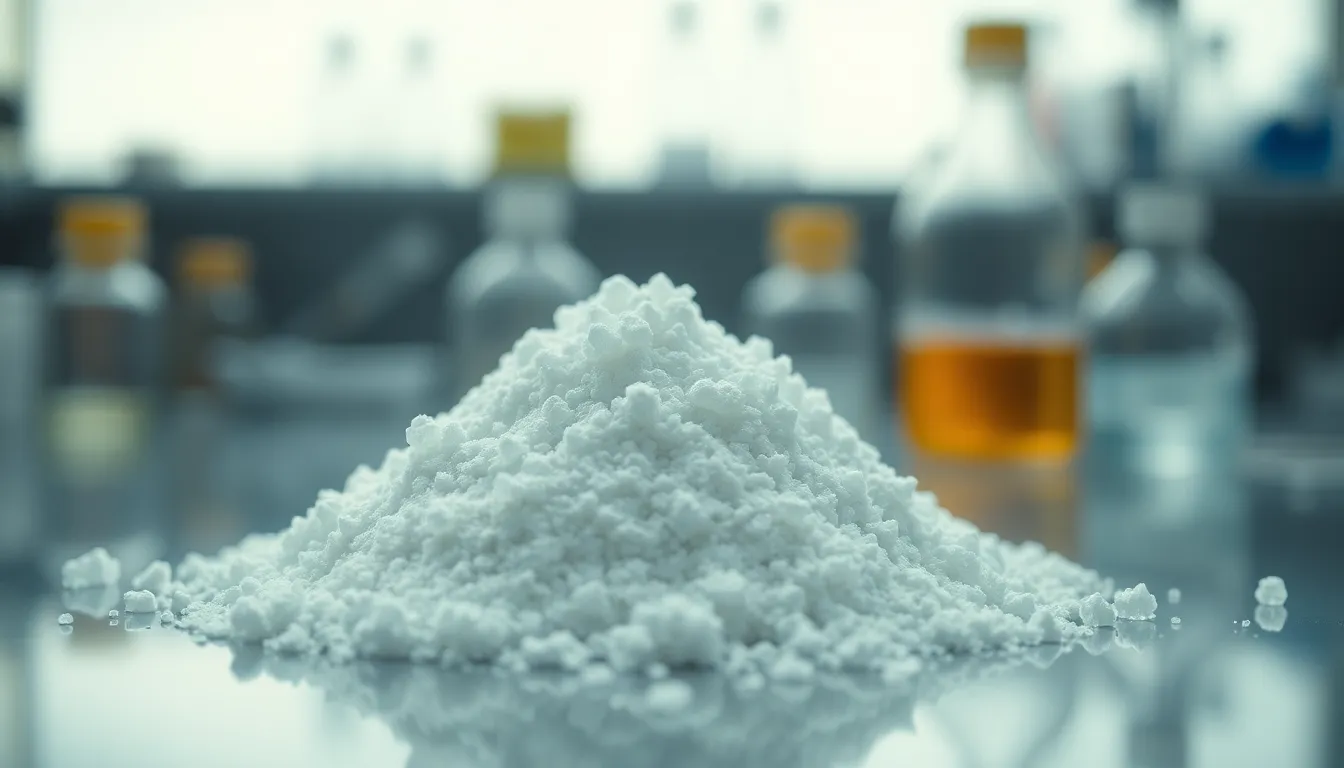
Sodium Benzoate
Quick Verdict
Sodium benzoate: the invisible guardian of your favorite foods and drinks.
The Hidden Hero in Your Pantry
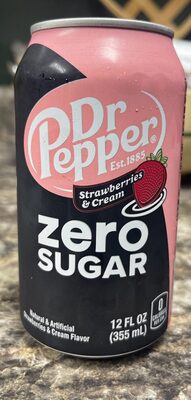
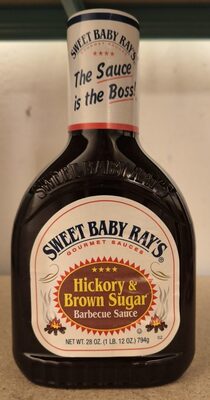
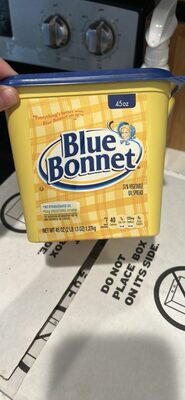
Sodium benzoate is a common preservative lurking in over 152 products, from fizzy drinks to salad dressings. Derived from benzoic acid, it acts as a shield against mold and bacteria. Picture your favorite carbonated beverage; a sprinkle of sodium benzoate keeps it fresh, allowing you to enjoy that effervescent sip without worry. Found naturally in cranberries and prunes, this compound has a long history of use, dating back to ancient times when people recognized the benefits of preserving food.
A Balancing Act of Safety
While sodium benzoate is generally recognized as safe, moderation is key. The FDA allows it in food up to a certain limit, but some health-conscious consumers question its long-term effects. Research suggests that when combined with ascorbic acid (vitamin C) and exposed to heat or light, it can form benzene, a known carcinogen. However, the levels produced in food are typically well below harmful thresholds. This duality makes it crucial for consumers to read labels and choose wisely.
Navigating the Sodium Benzoate Landscape
With its widespread use in processed foods, understanding sodium benzoate’s role can empower you as a consumer. Look for it in products like soft drinks, jams, and sauces, but balance is essential. If you're seeking alternatives, consider natural preservatives like potassium sorbate or calcium propionate. As you navigate grocery aisles, remember that knowledge is your best tool—read labels and make informed choices to maintain your health and well-being.
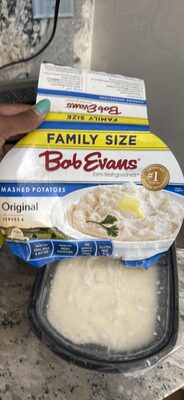
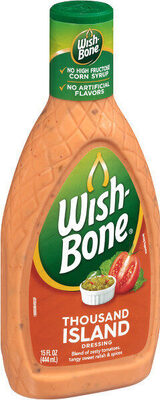
Found in 1527 Products
Common Questions
Scientific References
Risk Score
- Potassium Sorbate
- Calcium Propionate