
USA-first hubs
Jump to FDA-based guides that help shoppers understand labels and avoid major allergens.

Sodium Erythorbate
Quick Verdict
Sodium erythorbate: the unsung hero of freshness in your favorite foods!
The Guardian of Freshness
Imagine biting into a succulent slice of deli meat, perfectly pink and bursting with flavor. Behind that freshness lies sodium erythorbate, a compound that prevents discoloration and extends shelf life. This synthetic antioxidant plays a crucial role in preserving the quality of processed foods, ensuring that your favorite snacks remain safe and delicious. Found in over 500 products, it’s a staple in the food industry, allowing consumers to enjoy a taste of freshness with every bite.
A Natural Connection
While sodium erythorbate is synthetic, it has roots in nature. Derived from erythorbic acid, which is found in certain fruits and vegetables, this preservative is often used in conjunction with natural ingredients. Foods like fresh fruits, vegetables, and even certain grains can be sources of erythorbic acid, making sodium erythorbate a bridge between nature and modern food preservation. The next time you savor a salad with vibrant colors or indulge in a perfectly preserved fruit snack, you might just appreciate the role of this compound.
Safety and Usage
Sodium erythorbate is widely regarded as safe, with regulatory bodies such as the FDA and EFSA affirming its use in food products. The Acceptable Daily Intake (ADI) is set at 0.5g per kilogram of body weight, which means that for an average adult, it would take an enormous quantity of processed foods to reach a concerning level. With its low-risk score and versatility, sodium erythorbate stands as a reliable ally in maintaining food safety, leaving consumers to enjoy their meals without worry.
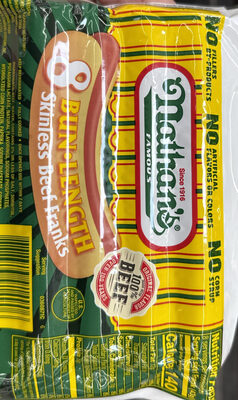
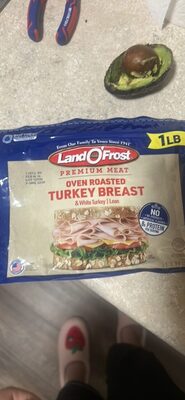
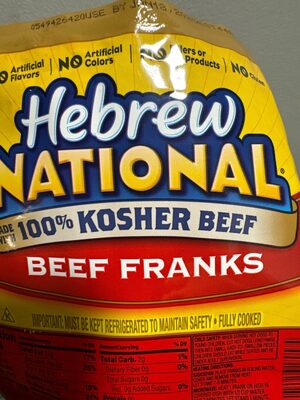
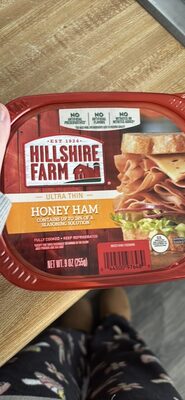
Found in 529 Products


Common Questions
Scientific References
Risk Score
- Ascorbic Acid
- Citric Acid