
USA-first hubs
Jump to FDA-based guides that help shoppers understand labels and avoid major allergens.
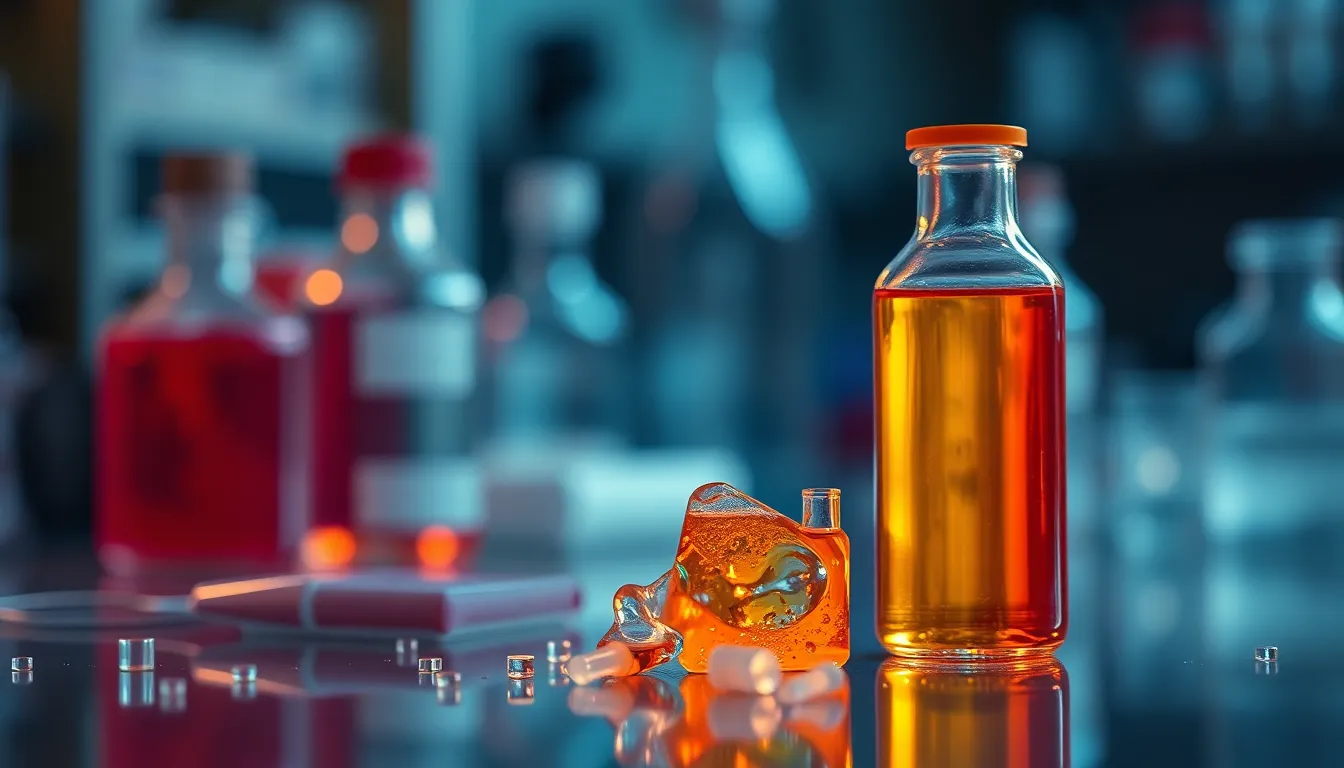
Sorbic Acid
Quick Verdict
Sorbic acid, a powerful preservative found in numerous food products, keeps your favorite snacks fresh and safe.
The Story of Freshness
Once derived from the berries of the sorbus tree, sorbic acid has evolved into a synthetic powerhouse. Today, it’s a common hero in over 1,000 products, including dairy and baked goods. When you bite into a fresh piece of cheese or enjoy a moist muffin, sorbic acid works behind the scenes to ward off spoilage, extending shelf life and safeguarding flavor.
Nature Meets Science
While sorbic acid is primarily synthetic today, its roots trace back to natural sources. Found in certain berries and fruits, this compound demonstrates nature's knack for preservation. In the culinary world, you'll find it in cheeses, cured meats, and even wines, ensuring that food remains delectable and safe for consumption.
Safety First
With a low risk score of 2, sorbic acid is considered safe for most consumers. Regulatory bodies in the USA, EU, and Australia endorse its use, making it a trusted choice for food manufacturers. However, as with all additives, moderation is key. Keeping an eye on daily limits ensures that we enjoy the benefits without overdoing it.
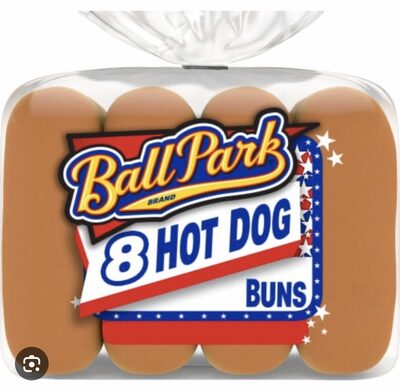
Found in 1032 Products
Common Questions
Scientific References
Risk Score
- Potassium Sorbate
- Benzoic Acid