
USA-first hubs
Jump to FDA-based guides that help shoppers understand labels and avoid major allergens.
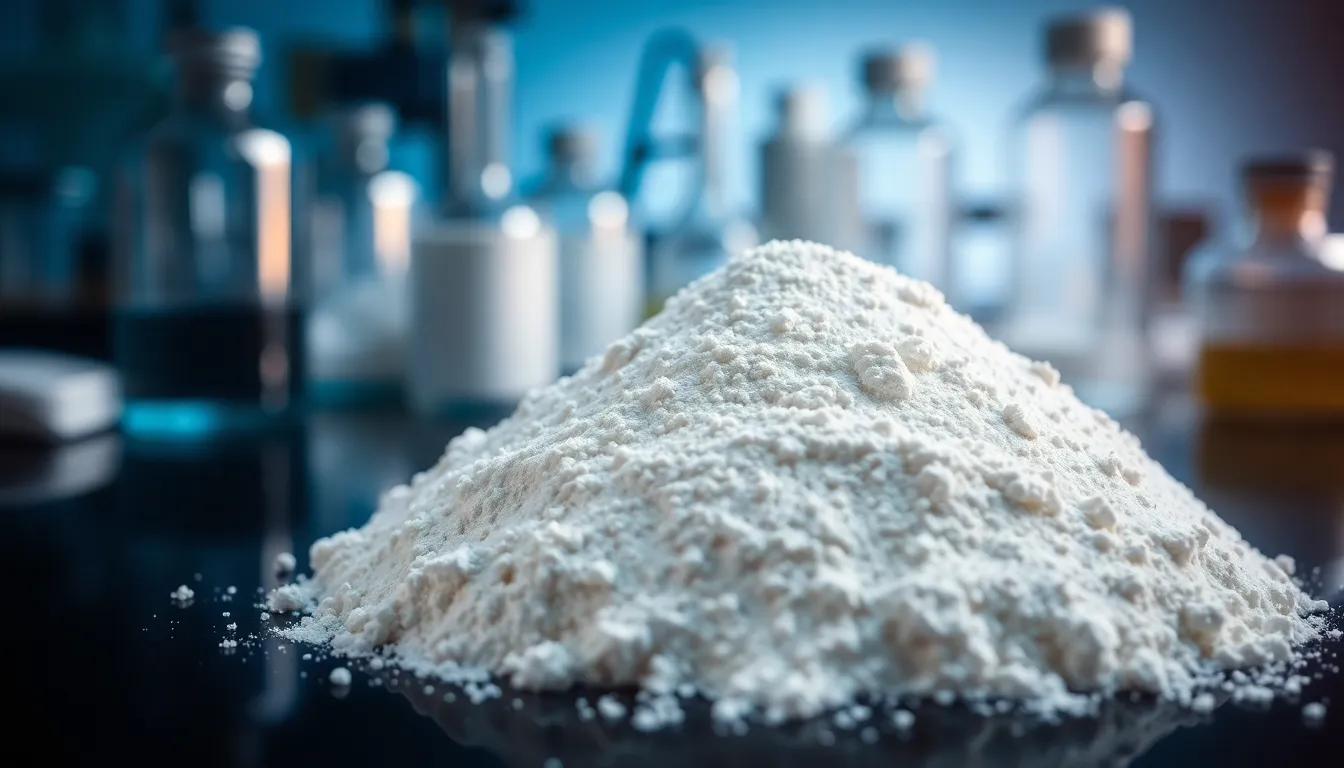
Soy Flour
Quick Verdict
Unlock the power of soy flour, a nutrient-dense ingredient that transforms your meals into a protein-packed delight!
The Nutritional Powerhouse
Soy flour is made from whole soybeans, rich in protein, fiber, and essential vitamins. It’s a staple in many Asian cuisines, found in products like tofu and tempeh, enhancing dishes with a nutty flavor. Not only does it contribute to muscle repair, but it also supports heart health due to its omega-3 fatty acids. Incorporating soy flour into your diet can help you achieve a balanced intake of nutrients, making it a favorite among health-conscious eaters.
Culinary Uses
From gluten-free baking to thickening sauces, soy flour's versatility shines in the kitchen. It can be used in pancakes, muffins, and even as a coating for fried foods. In Asian cuisine, it’s often used to create rich, textured sauces or as a binding agent in veggie burgers. The nutty flavor complements both sweet and savory dishes, making it an indispensable ingredient for innovative cooks looking to boost their meals.
Potential Risks and Considerations
While soy flour is generally safe, some individuals may experience allergic reactions, especially those with soy allergies. It’s advisable to consult a healthcare professional if you’re unsure about incorporating it into your diet. Moreover, moderation is key, as excessive consumption may lead to hormonal imbalances due to phytoestrogens. Always consider your dietary restrictions and consult with a nutritionist for personalized advice.
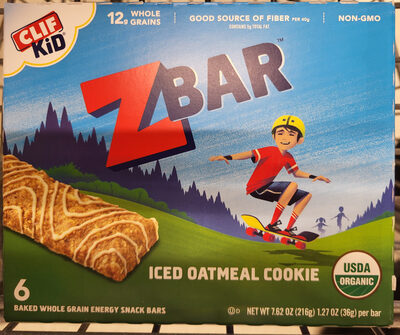
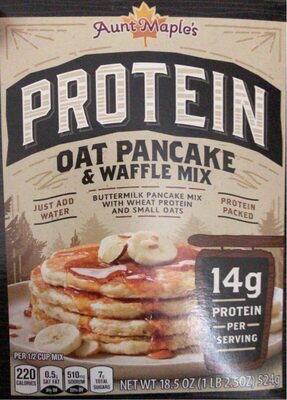
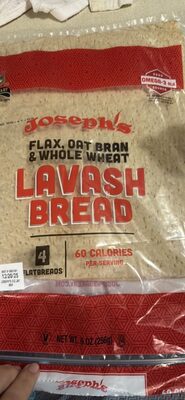
Found in 931 Products



Common Questions
Scientific References
Risk Score
- Almond Flour
- Chickpea Flour