
USA-first hubs
Jump to FDA-based guides that help shoppers understand labels and avoid major allergens.
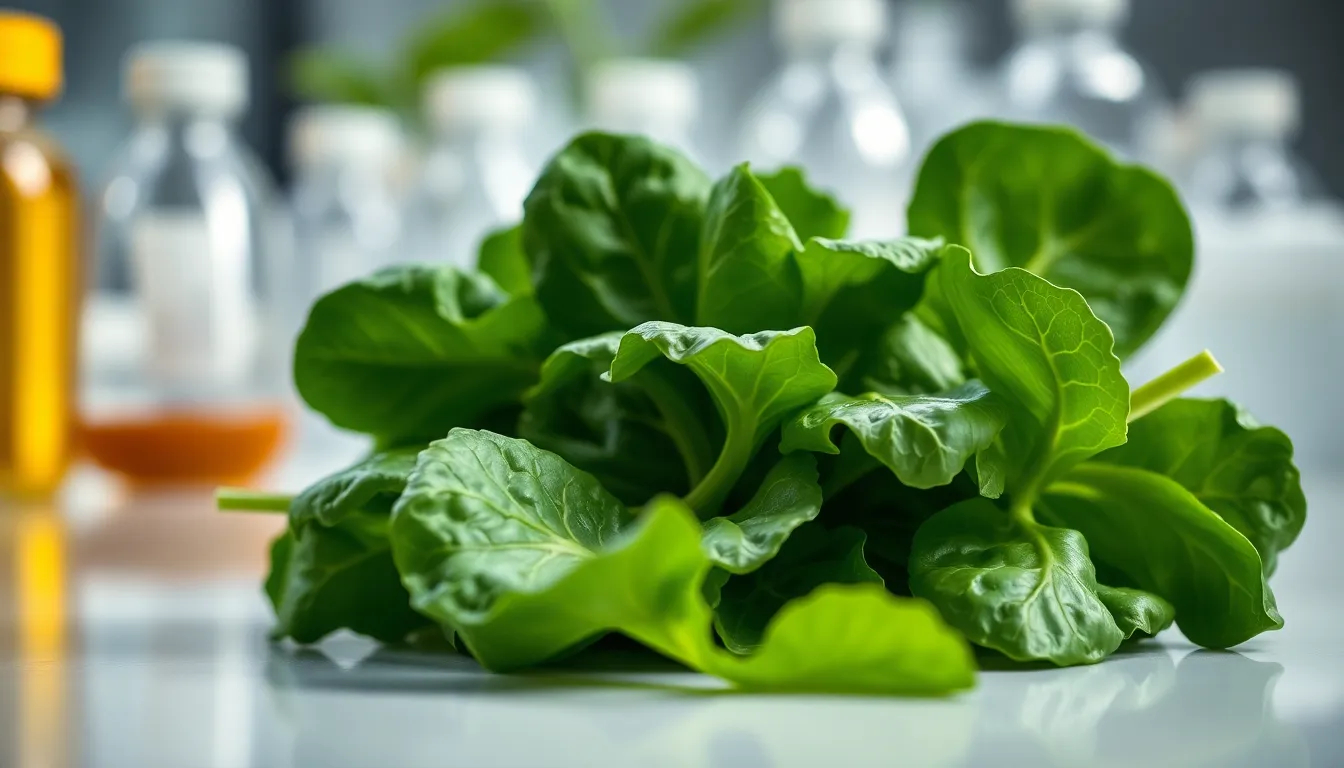
Spinach
Quick Verdict
Spinach proves that nutrition starts in the soil—and in the stories we tell about meals.
Spinach: The Verdant Hero on Your Plate
On market mornings, spinach hangs in lush, velvet bundles, a quiet hero leaning toward the sun. I tell reporters a story: soil and sun give spinach its bright, earthy sweetness, but real nourishment comes from REAL FOOD SOURCES beyond the leaf. A handful of spinach fuels a meal, yet its true power is the way it nudges a family toward balance: vitamin K from spinach and kale protects bones, vitamin A keeps eyes bright, vitamin C helps iron shine when paired with beans, lentils, or citrus. The leaves invite other real foods onto the plate—garlic sizzles in olive oil, citrus zests wake up the greens, and whole grains offer staying power. Spinach isn't a lone star; it's a chorus of foods.
From Market Stall to Meal: Spinach as a Story Teller
At midday the spinach leaves come from field to market, a green passport stamped by sun and rain. In the kitchen, a grandmother drops a handful into warm olive oil, garlic sighing in the pan. The steam carries a whisper of stories: spinach can wear many flavors—mild in a salad, bold in a curry, silky in a smoothie. Real food sources nearby—the beans that boost iron, the tomatoes that brighten vitamin C, the yogurt that adds calcium—join the scene, proving nutrition travels in pairs and small piles of produce, not pills. The leaf teaches a recipe for daily life: plan with the seasons, vary your greens, and savor the simple act of eating real food. It nourishes body and story alike.
Safeguard Your Spinach: Storage, Safety, and Simple Tips
Spinach, when fresh, wears a sheen of earth and promise. Store it unwashed in the fridge, wrapped loosely, to keep its crisp whisper until meals. Wash just before use to avoid soggy wilt. Lightly sauté with garlic, drizzle with lemon, and fold into eggs or pasta for a quick, nutrient-rich dinner. But remember oxalates: those tiny crystals can bind minerals; balance spinach with other iron sources like beans or lentils, and pair with vitamin C foods to aid iron absorption. For buyers, look for deep-green leaves and no slimy edges. Cooked spinach loses volume but concentrates flavor and nutrients, making a perfect side or hearty addition to soups, stews, and emerald-green smoothies. Frozen spinach is a handy backup.
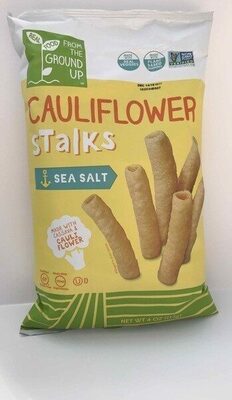
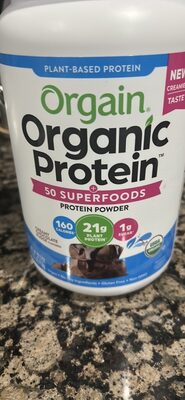
Found in 894 Products

Common Questions
Scientific References
Risk Score
- Kale
- Swiss chard
- Collard greens