
USA-first hubs
Jump to FDA-based guides that help shoppers understand labels and avoid major allergens.
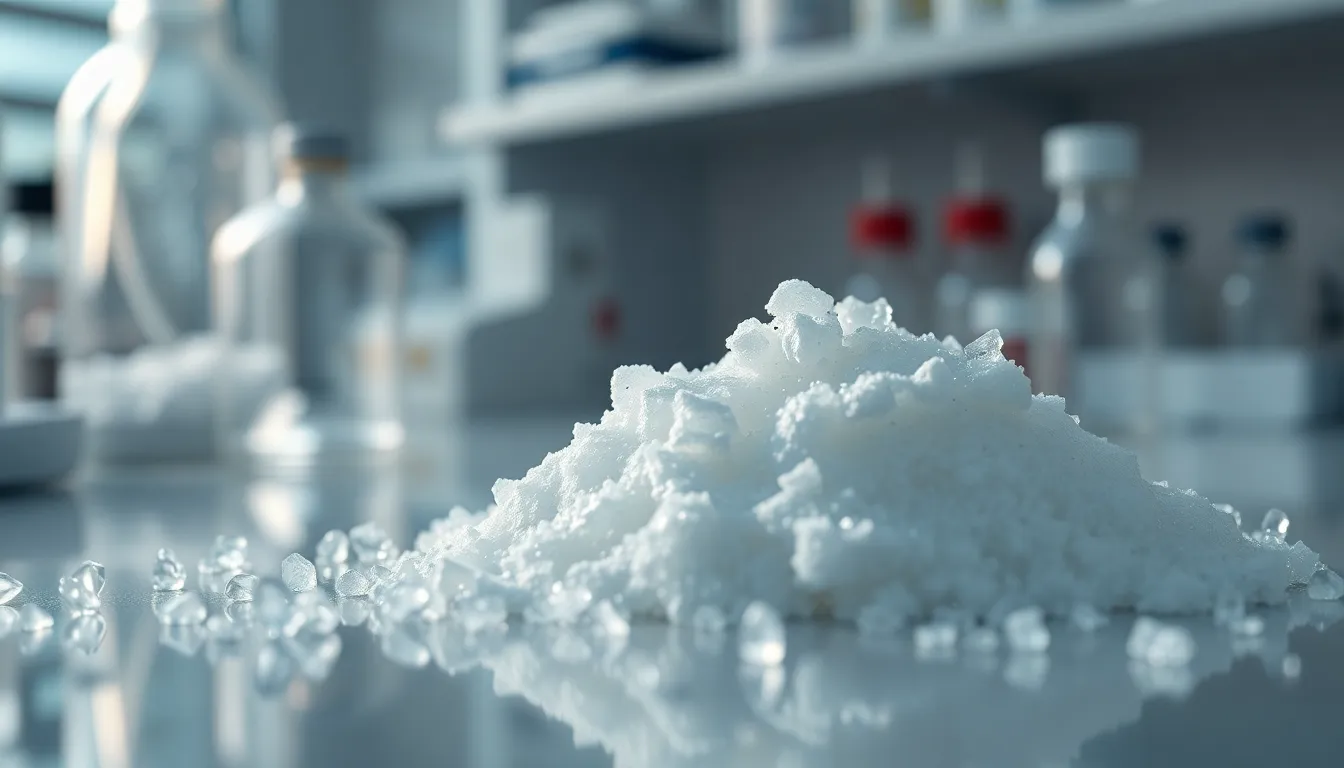
Sucralose
Quick Verdict
Sucralose: The Sweet Surprise in Your Favorite Foods!
The Sweet Story of Sucralose
Discovered in 1976, sucralose emerged from the quest for a sugar substitute. Derived from sugar itself, it involves a clever chemical modification that replaces three hydroxyl groups with chlorine atoms, creating a compound 600 times sweeter than sugar. This transformation not only eliminates calories but also retains the sweetness we crave. Found in over 1,870 products, from sodas to baked goods, sucralose has become a staple for those looking to cut sugar without sacrificing taste.
From Kitchen to Lab: The Journey of Sucralose
Sucralose’s journey begins in the kitchen, where it can be found in a myriad of foods like low-calorie desserts, yogurt, and beverages. Unlike natural sweeteners like honey or agave, sucralose is a synthetic marvel, created through a process that ensures its stability under heat. This makes it a favorite for baking, allowing home chefs to whip up delicious treats without the added calories. So, whether you're enjoying a guilt-free chocolate cake or a refreshing iced tea, sucralose is working hard to satisfy your sweet tooth.
Is Sucralose Safe? The Sweet Truth
While sucralose has been deemed safe by various health authorities, including the FDA, some individuals may experience digestive discomfort when consuming it in large amounts. The acceptable daily intake (ADI) is set at 5 mg per kg of body weight, providing a safety net for consumers. As with all sweeteners, moderation is key. For those looking for alternatives, natural options like stevia or erythritol can provide sweetness without the synthetic element, making it easier to choose what suits your lifestyle.
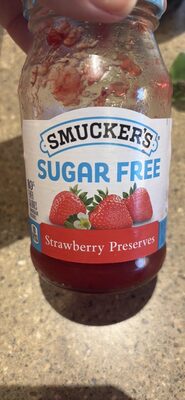
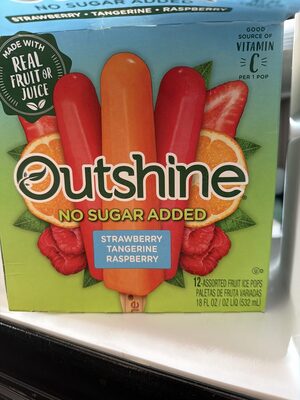
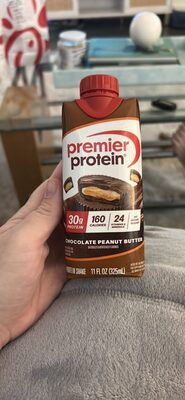
Found in 1870 Products


Common Questions
Scientific References
Risk Score
- Stevia
- Erythritol