
USA-first hubs
Jump to FDA-based guides that help shoppers understand labels and avoid major allergens.
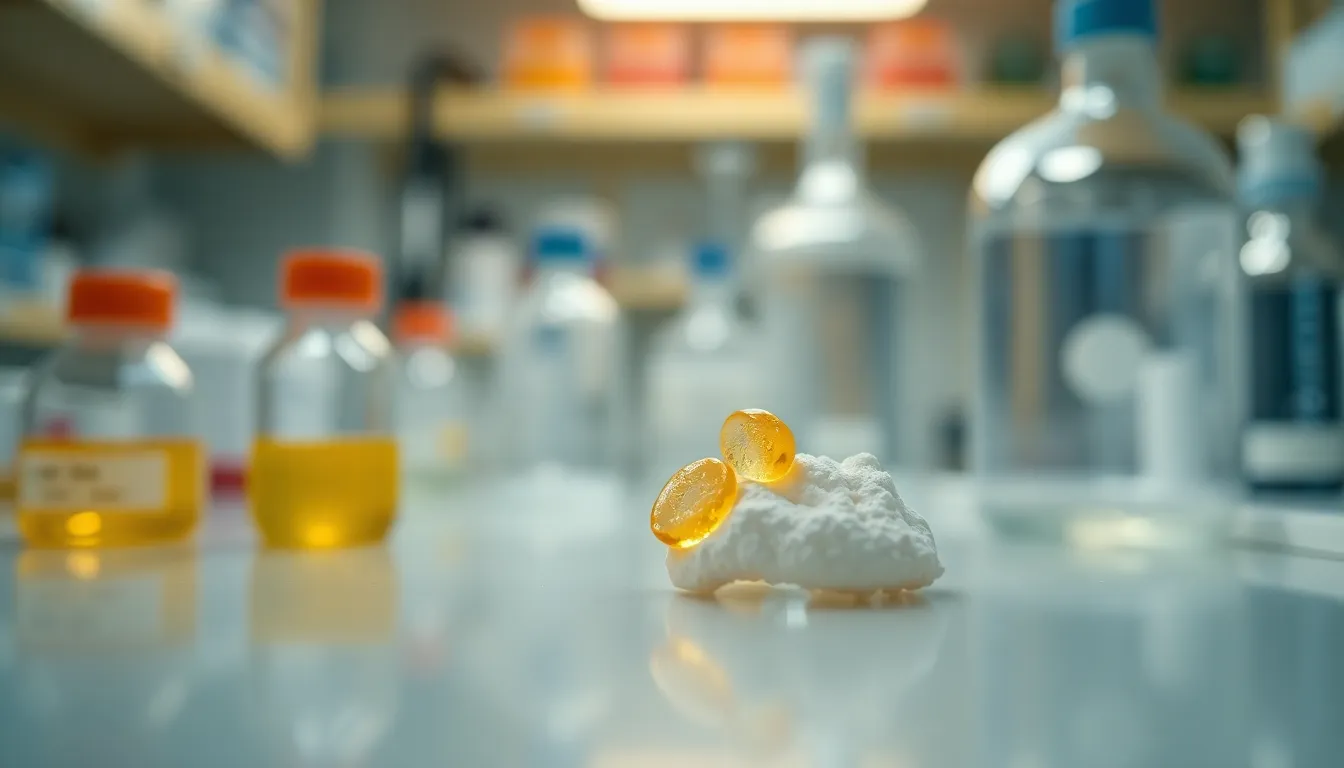
Vitamin B1
Quick Verdict
A tiny energy spark in your diet, Vitamin B1 powers the carb-to-energy conversion that keeps you moving from dawn to dusk.
Power-Up Spark Plug: Vitamin B1's Energy Engine
At sunrise, in the kitchen, a tiny hero named Thiamin slips into the scene. Vitamin B1 is the spark that kick-starts energy, turning the carbs you eat into usable fuel. Think of glucose as a raw log; thiamin is the firestarter that brings the flame to life, helping enzymes unlock energy for every heartbeat, jog, and late-night study session. Without this helper, your cells stall, mood dips, and fatigue lingers. Real-food friends step in: a lean pork chop, a bowl of whole grains, a cup of navy beans, or a handful of sunflower seeds - all natural sources that deliver B1 with flavor and fiber. In this tale, B1 is humble, essential, and always essential to keep the engine running.
From Field to Fork: Real Foods that Feed Thiamin
From field to fork, thiamin hides in plain sight, riding with protein and fiber. Lean pork and fortified cereals are classic power pairs, but beans, lentils, and peas deliver steady B1 without a caffeine crash. Whole grains - brown rice, barley, oats - keep pace with the day, especially when milled less and eaten as the grain itself. Eggs add subtle B1 along with protein, while nutritional yeast and fortified plant milks boost the supply for vegans. Fish like trout offer a savory boost, and leafy greens contribute smaller thiamin doses. The real story is variety: a breakfast bowl, a lunch bowl, a dinner plate that mix these foods to keep energy balanced. For busy lifestyles, rotate sources across the week to ensure a steady, delicious supply.
Guardians of Energy: Why Vitamin B1 Deserves a Close Look
To many kitchen stories, Thiamin is the quiet conductor of the energy symphony- tethering carb metabolism to the drumbeat of your nerves and brain. It helps turn glucose into ATP, the fuel your muscles crave for steps, workouts, and even focus at work. Beriberi and fatigue have historical teeth, but in modern times deficiency remains a risk for people with little variety, alcoholism, malabsorption, or certain medical conditions. A balanced diet usually covers it; typical adults need about 1.1-1.2 mg daily. Real-world practice shows up in a 1.5-2 mg-per-day supplement or foods like pork and fortified cereals. Because thiamin is water-soluble, excess returns to the world through urine and toxicity is rare. Your daily plan? mix color and texture. That means variety and mindful portions at each meal.
Found in 2884 Products




Common Questions
Scientific References
Risk Score
- Riboflavin (B2)
- Niacin (B3)