
USA-first hubs
Jump to FDA-based guides that help shoppers understand labels and avoid major allergens.

Wheat
Quick Verdict
Wheat is a versatile grain that has nourished civilizations for thousands of years, but it comes with its own set of considerations.
The Grain that Built Empires
Wheat has been a cornerstone of human diet since ancient times. From the fields of Mesopotamia to today’s sprawling farms, this grain has transformed into countless products. Think bread, pasta, and even pastries. Whole wheat flour, rich in nutrients, is a staple in many households, providing energy and sustenance for daily life. However, while it’s a great source of carbohydrates, it’s crucial to be mindful of gluten sensitivity in some individuals.
Nutritional Powerhouse or Dietary Dilemma?
While wheat is celebrated for its dietary fiber and B vitamins, it also poses challenges for those with celiac disease or gluten intolerance. In the kitchen, whole wheat products like bulgur and couscous offer more nutrients than their refined counterparts. Ultimately, moderation is key; enjoying wheat as part of a balanced diet can be beneficial, but overconsumption may lead to unwanted health issues for some individuals.
Wheat in the Modern Diet
In contemporary cuisine, wheat remains a dominant player. With the rise of artisan bread and gluten-free alternatives, options abound for every palate. Embracing whole grains can enhance health, while also tantalizing taste buds. From hearty grain bowls to delicate pastries, wheat’s versatility is unmatched. Yet, always consider personal health needs and dietary restrictions when including it in your meals.
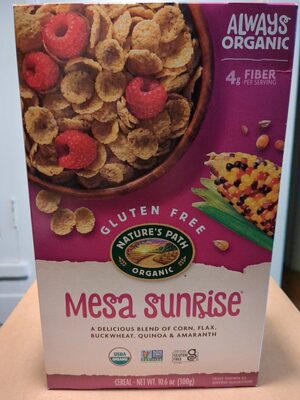
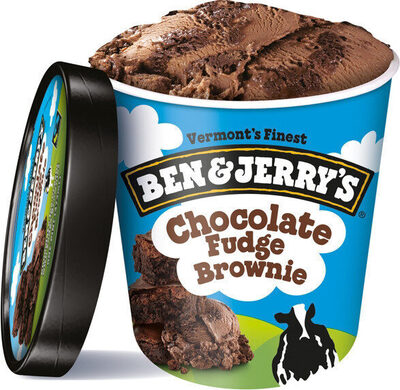
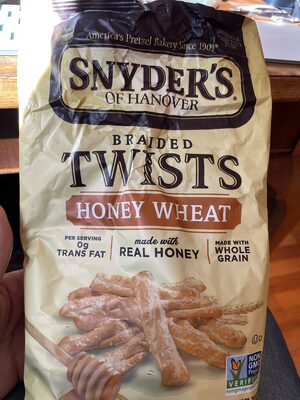
Found in 10548 Products



Common Questions
Scientific References
Risk Score
- Quinoa
- Rice