
USA-first hubs
Jump to FDA-based guides that help shoppers understand labels and avoid major allergens.
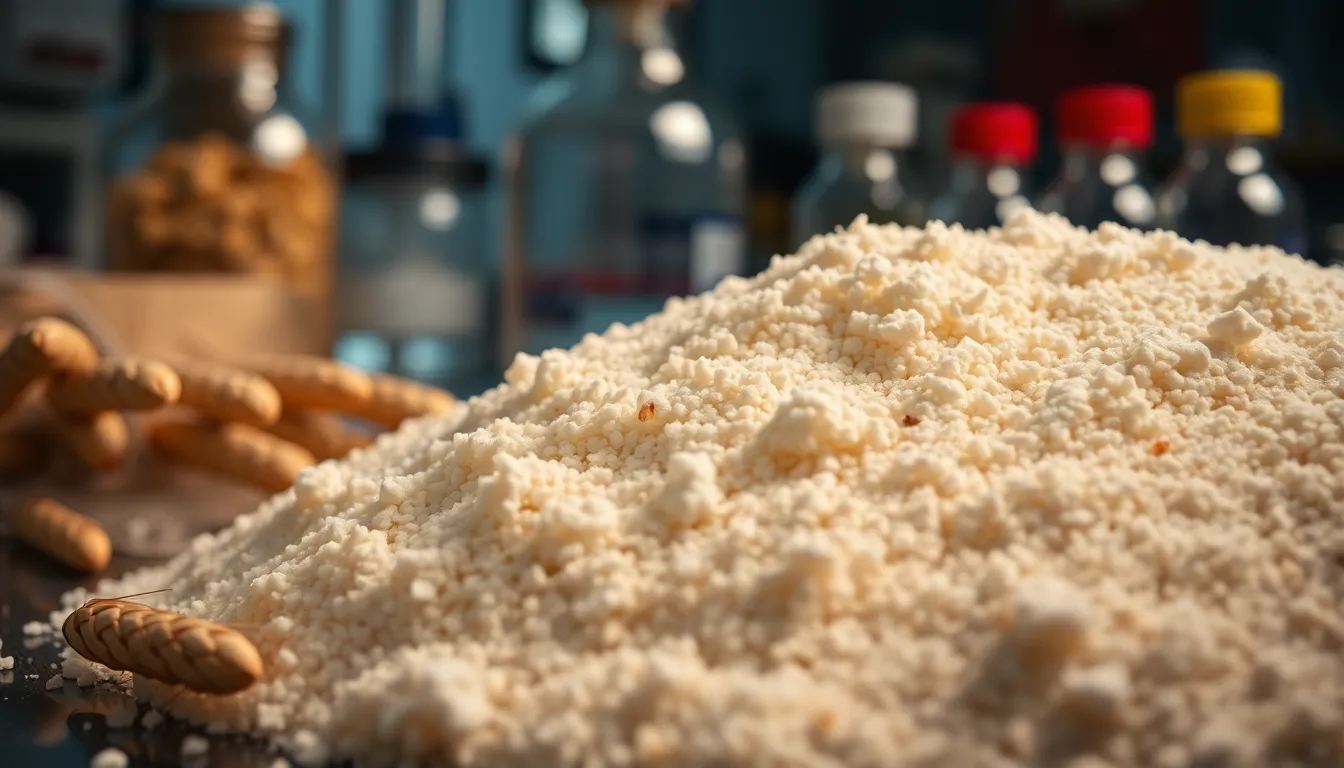
Wheat Starch
Quick Verdict
Wheat starch: the unsung hero in a world of textures, bringing life and consistency to your favorite foods.
A Culinary Staple
Wheat starch, derived from the endosperm of wheat grains, plays a vital role in kitchens around the globe. From thickening gravies to acting as a binding agent in processed foods like sauces, it adds a smooth texture that enhances palatability. Found in products like pasta and baked goods, wheat starch is a common ingredient that many might overlook.
The Science Behind It
When heated with water, wheat starch gelatinizes, transforming into a viscous gel that thickens mixtures. This property is essential in the culinary world, allowing chefs to create velvety sauces and creamy soups. Its versatility makes it a favorite in both home cooking and industrial food production, where consistency is key.
Navigating the Health Landscape
While wheat starch is generally safe for most, those with gluten sensitivities need to be cautious. It is not gluten-free, which poses a risk for individuals with celiac disease. However, it remains a valuable ingredient in many recipes. Always check labels, especially in processed foods, to ensure your dietary needs are met.
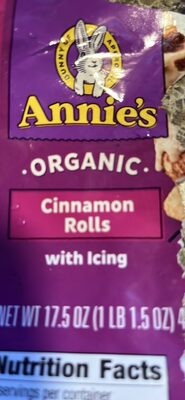
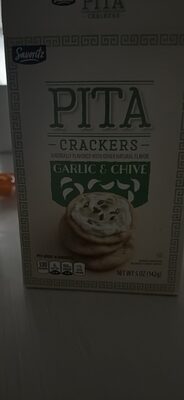
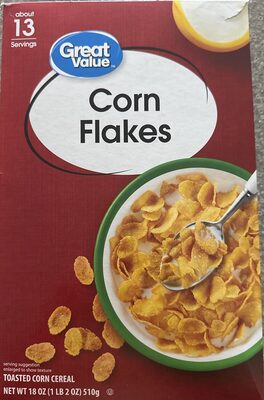
Found in 998 Products


Common Questions
Scientific References
Risk Score
- Corn Starch
- Potato Starch