
USA-first hubs
Jump to FDA-based guides that help shoppers understand labels and avoid major allergens.
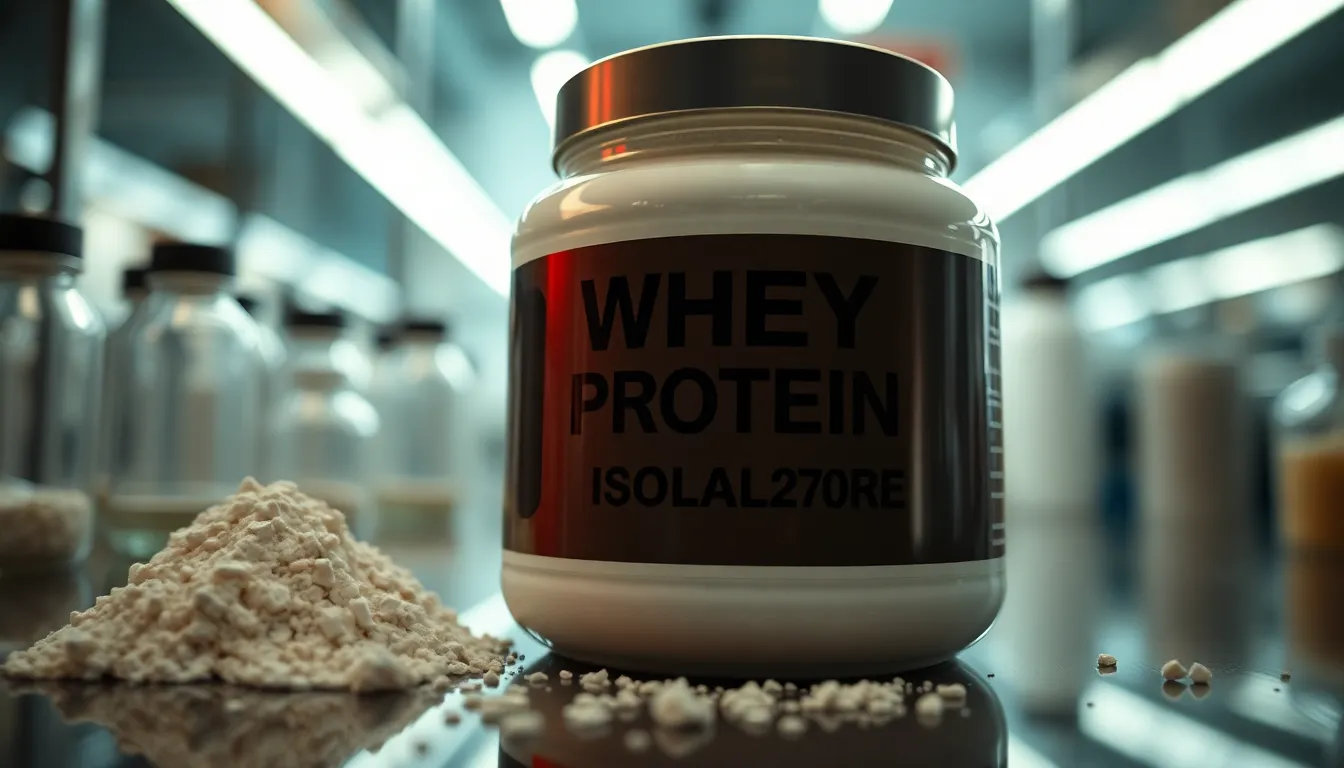
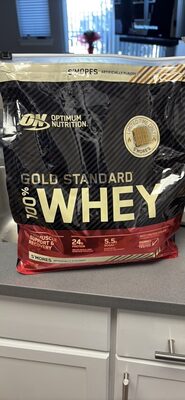
Whey Protein Isolate
Quick Verdict
Clean, fast-absorbing, and practical, whey protein isolate stitches science to real-food routines, helping timing and recovery without dominating the plate.
From Milk to Muscle: The Birth of Isolate
Long before the powder sat on your shelf, milk began as a farmers' gift, and science gave it a new shape. Whey protein isolate is the lean, fast-absorbing byproduct of cheese making, captured through filtration to remove fat and lactose. The result? a clean protein source that feeds muscle repair without the heaviness of whole milk. In a world crowded with supplements, its story nods toward real food: eggs, Greek yogurt, cottage cheese, chicken breast, lentils. These foods remind us that no powder can replace the full package of nutrition, but whey isolate can sharpen timing—quickly delivering amino acids when the body craves them most, such as after a tough workout or a demanding day. Real foods stay the foundation.
Fast-Track Fuel for the Busy Body
After the first workout, the body is crowding for protein, and whey isolate answers with speed. Its microfiltration chemistry yields a high-protein hit with little fat or lactose, ideal when time is tight and appetite wobbly. The storytelling version of fueling often folds real foods into the plan: pair a shake with a banana and plain yogurt, or mix with milk and a handful of spinach for a quick smoothie that resembles a green meal. Athletes, busy parents, shift workers—everyone benefits from a protein backbone that supports lean muscle and fullness. Real-world dosage follows the label and your goals: one scoop after training, another between meals if needed. It pairs gracefully with whole foods like eggs for balanced nutrition daily.
The Kitchen Companion: Tips for Smart Use
Think of whey isolate as an ally, not a replacement, for a varied plate. It lets you dial in protein without extra fat or lactose, which can please dairy-sensitive diners, but it's not a free pass from whole foods. Your day might begin with scrambled eggs and a greens-heavy omelet, move through a chicken dinner, and finish with lentil stew; a whey shake can bridge gaps when time or appetite is tight. Always read labels for additives, choose reputable brands, and listen to your gut. Real foods—eggs, salmon, beans, yogurt—provide other nutrients that no powder can mimic, while whey isolate adds a protein punch to support recovery and growth. If dairy triggers discomfort, consider alternatives like plant protein blends, or consult a clinician.
Found in 664 Products

Common Questions
Risk Score
- Plant-based protein isolate
- Casein protein