
USA-first hubs
Jump to FDA-based guides that help shoppers understand labels and avoid major allergens.
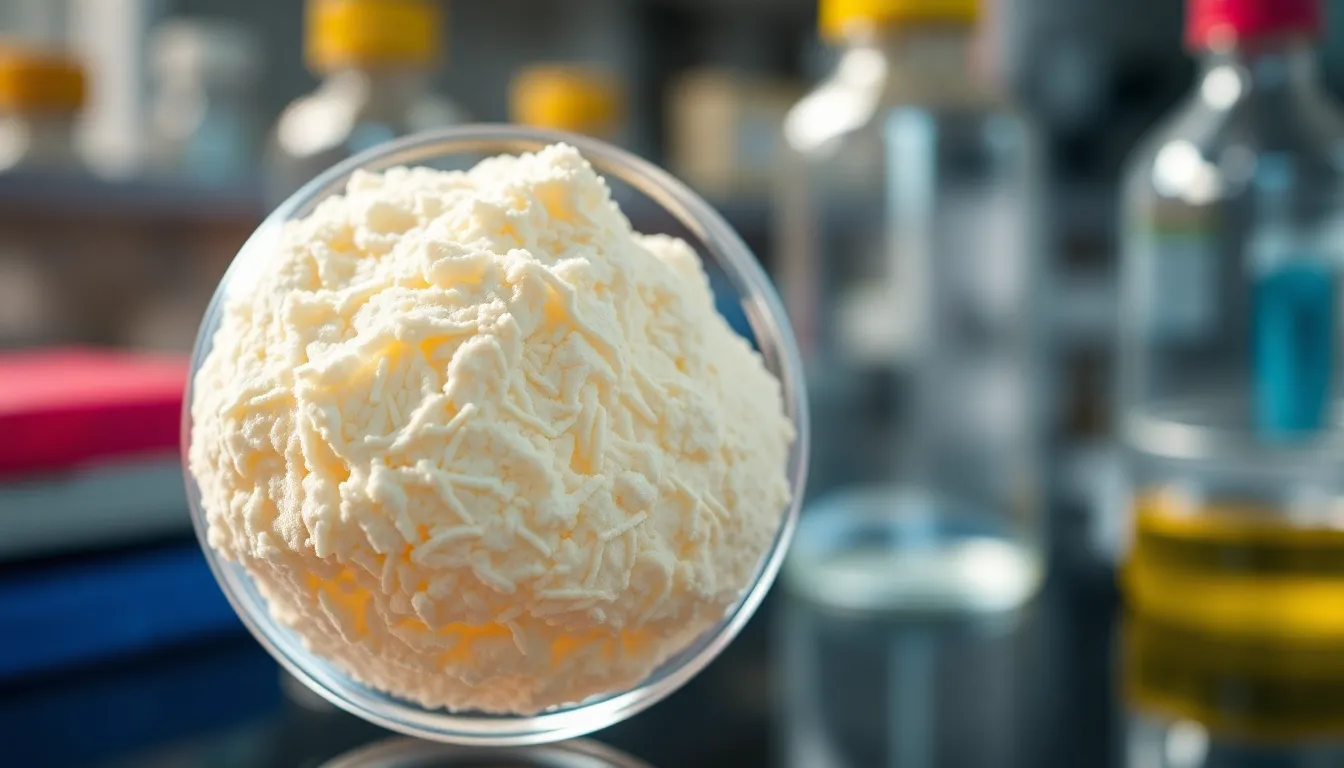
Xanthan Gum
Quick Verdict
From salad dressings to gluten-free baked goods, xanthan gum is the secret ingredient that keeps our favorite foods smooth and creamy.
The Origins of Xanthan Gum
Born from the fermentation of sugar by the Xanthomonas campestris bacteria, xanthan gum has humble roots. This natural thickener is often derived from corn or soy, making it a versatile addition to recipes. Found in a myriad of products, from sauces to ice creams, it’s the unsung hero that ensures consistency and texture, making it a staple in both home kitchens and commercial food production.
A Culinary Chameleon
Imagine whipping up a luscious salad dressing or a creamy dairy-free ice cream. Xanthan gum acts like a culinary magician, transforming liquids into velvety textures. It's particularly beloved in gluten-free baking, where it mimics the elasticity of gluten, allowing for delightful breads and cakes. Its ability to stabilize emulsions means that your vinaigrette won’t separate, ensuring each drizzle is as tasty as the last.
Safety and Usage
Xanthan gum is generally recognized as safe, with a low risk of allergies and a minimal safety score. While it can be consumed in large quantities, moderation is key. The typical usage in food products ranges from 0.5% to 2%, making it easy to incorporate without overwhelming your dish. For those seeking alternatives, guar gum and locust bean gum offer similar thickening properties.
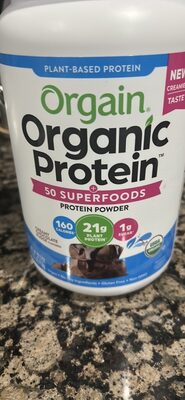
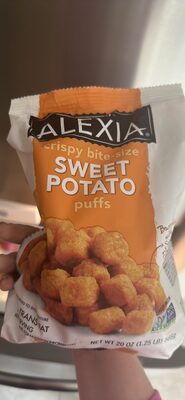
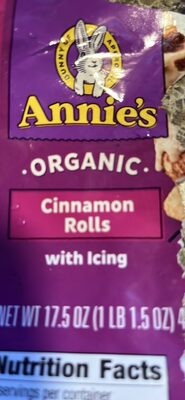
Found in 3934 Products
Common Questions
Scientific References
Risk Score
- Guar Gum
- Locust Bean Gum