
USA-first hubs
Jump to FDA-based guides that help shoppers understand labels and avoid major allergens.
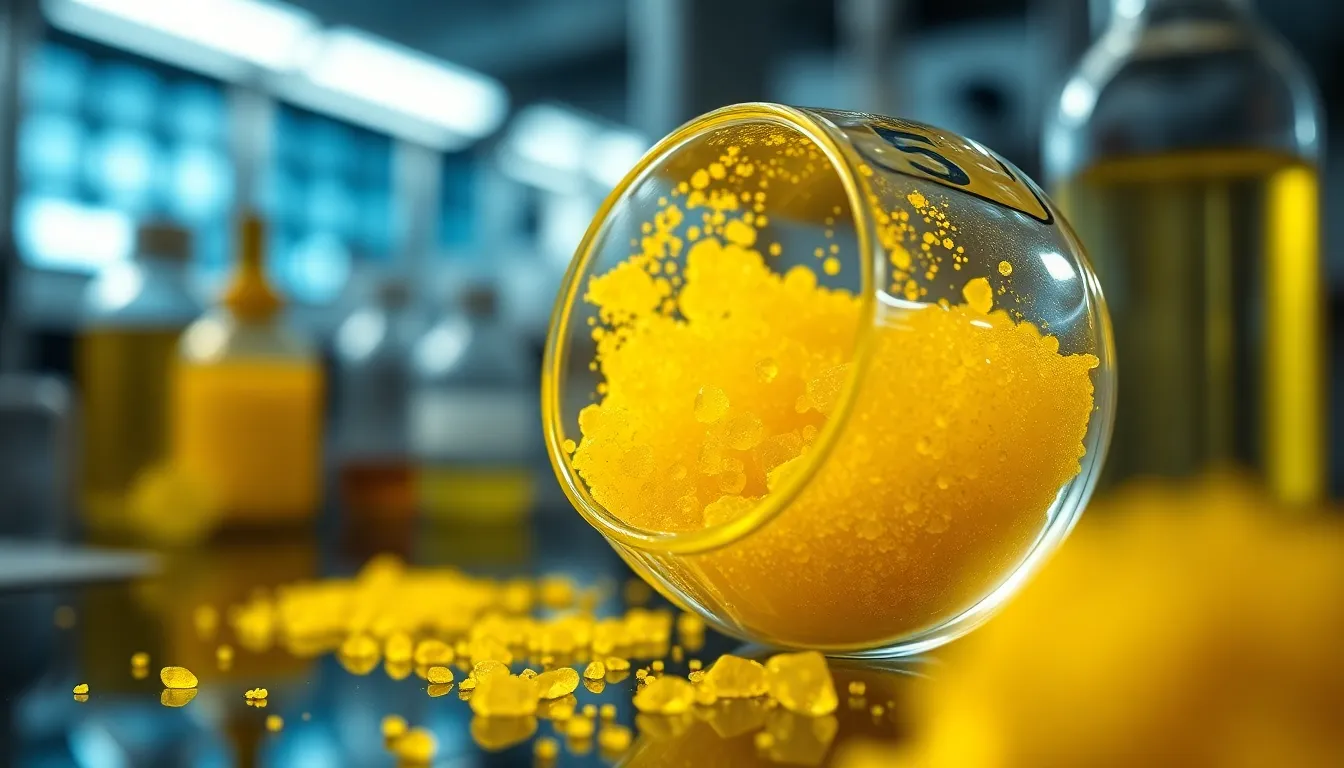
Yellow 5
Quick Verdict
Dive into the vibrant world of Yellow 5, a popular food dye that brightens up everything from candies to soft drinks.
The Colorful History of Yellow 5
Once upon a time in the world of food, Yellow 5 emerged as a synthetic dye, derived from coal tar. Introduced in the 1950s, it quickly became a favorite among manufacturers seeking to enhance the visual appeal of their products. Its vibrant hue is often found in candies, snacks, and beverages, making them irresistible to consumers. The journey of Yellow 5 reflects the intersection of science and culinary art, as it transformed the way we perceive food.
Natural Alternatives to Yellow 5
While Yellow 5 brings a burst of color to our plates, nature offers its own palette. Beet juice, with its deep red tones, and turmeric, known for its golden hue, are popular natural alternatives. These real food sources not only add color but also bring health benefits. As consumers become more aware of food additives, the shift towards natural coloring agents is gaining momentum, reminding us that nature’s bounty can be just as vibrant.
The Cautionary Tale of Yellow 5
Despite its widespread use, Yellow 5 has faced scrutiny over potential allergic reactions and hyperactivity in children. Reports of sensitivities have prompted some to approach this synthetic dye with caution. Regulatory bodies have set limits to ensure safety, yet the debate continues. Understanding the balance between enjoyment and health is key, as we navigate the colorful landscape of food additives in our diets.
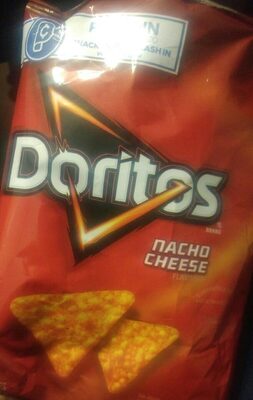
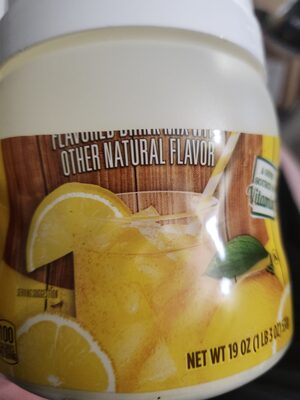
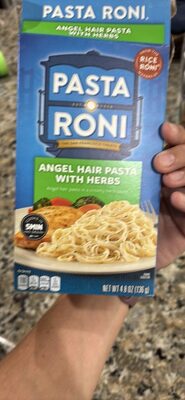
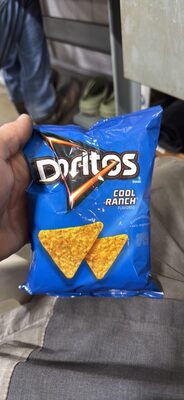
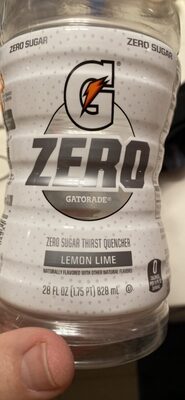
Found in 1366 Products

Common Questions
Scientific References
Risk Score
- Beet Juice
- Turmeric