
USA-first hubs
Jump to FDA-based guides that help shoppers understand labels and avoid major allergens.
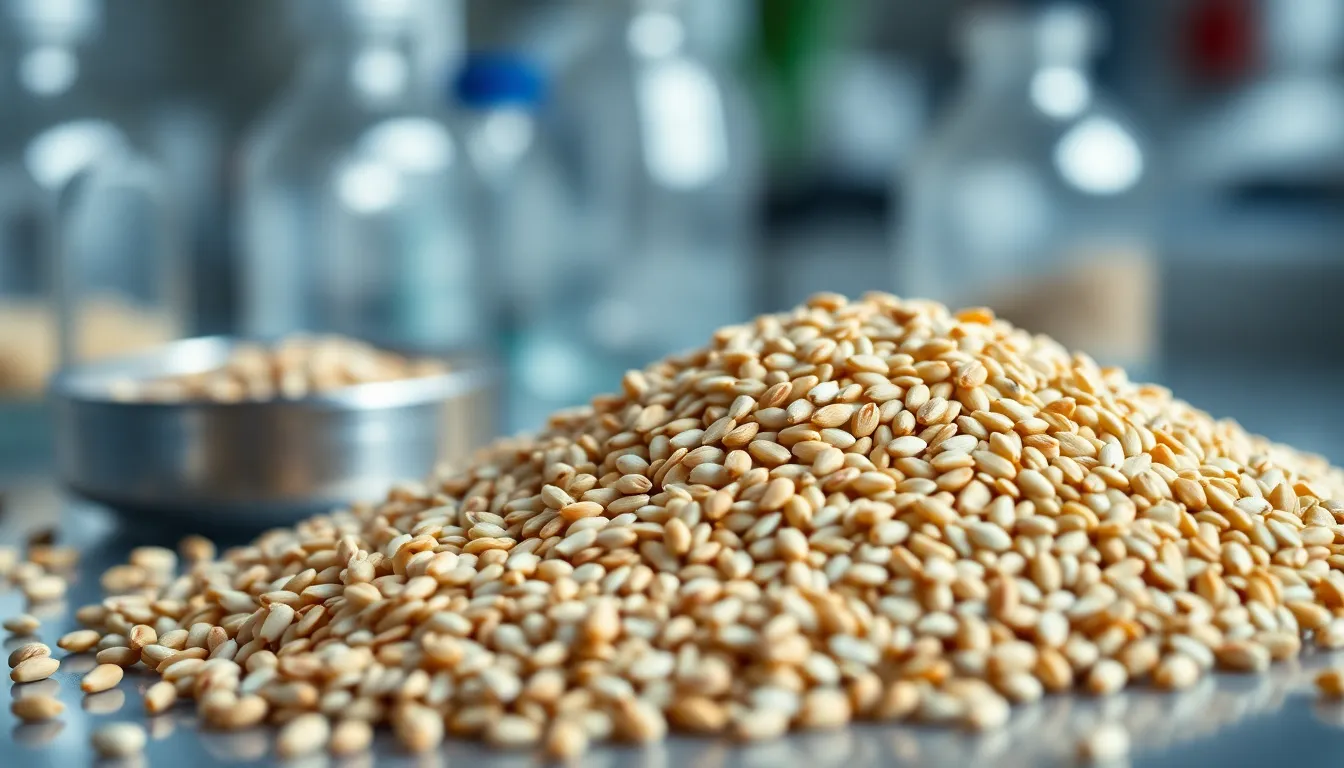
Sesame Seeds
Quick Verdict
A tiny, mighty crunch that has traveled from ancient fields to modern kitchens, sesame seeds offer flavor, heart-friendly fats, and a tapestry of real-food uses that anchor meals with history and nutrition.
A Tiny Seed, Bold Flavor
On a sunlit morning in the marketplace, a grandmother toasts sesame seeds in a heavy iron pan until they pop and perfume the air with a warm, nutty aroma. She sprinkles a handful over greens, bread, even a steaming bowl of miso. In that small ritual, sesame reveals its secret career: an ancient ingredient that travels from field to table to flavor a hundred meals. Real food sources show up here in abundance—tahini stirred into hummus, sesame oil drizzling over roasted vegetables, sesame seeds baked into crusty bread. The bite is crisp, the taste gently sweet, and the oil inside carries heart-healthy fats and minerals like copper and calcium, a tiny powerhouse wearing a humble shell.
From Farm to Flavor: A Seed’s Journey
From sunlit fields in Asia and Africa to the spice cabinets of home cooks, sesame seeds travel light but stay bold. Farmers harvest the tiny beads, dry them to the shimmer of gold or deep brown, and the seeds become oil, paste, or a crunchy topping. Real food sources thrive here: tahini blends into sauces, sesame oil dresses stir-fries, sesame seeds crown breads and noodle bowls. The seed’s fats are mostly unsaturated, with a whisper of omega-6 and a shelf-stable protein that helps plants resist damage. People sprinkle them on salads, sprinkle on sushi, and roast to deepen their flavor—evidence that a single seed can anchor flavor, nutrition, and memory in a single bite.
In the Kitchen: Everyday Sesame Wonders
In the kitchen, sesame seeds turn simple ingredients into celebrations. Toasted seeds lend crunch to a blanket of greens, a tablespoon of sesame oil unlocks a nutty note in a quinoa bowl, and tahini thickens dressings into satin. Real food sources abound: hummus, stir-fried vegetables, bread crusts, and even desserts where sesame plays a mellow, caramel finish. For best nutrition, grind seeds in a quick pulse or use tahini to maximize accessibility; store seeds in a cool, dark place to keep their oils fresh. Whether sprinkled on a rainbow salad or whisked into a delicate sauce, sesame seeds invite you to slow down and savor.
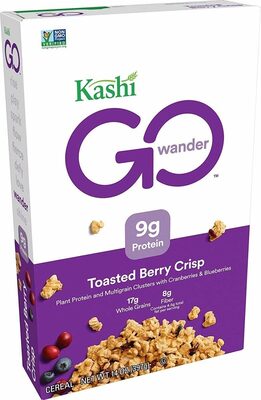
Found in 753 Products





Common Questions
Risk Score
- Chia seeds
- Flaxseeds