
USA-first hubs
Jump to FDA-based guides that help shoppers understand labels and avoid major allergens.
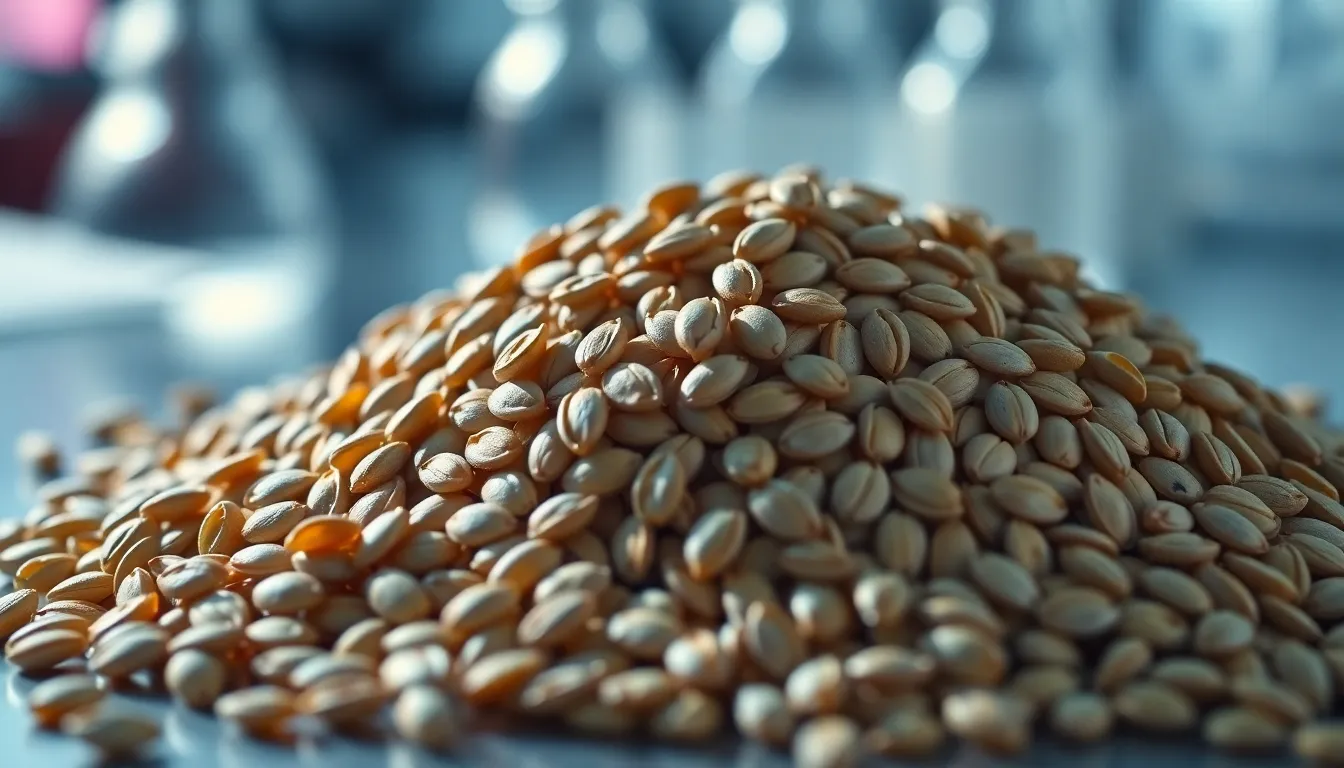
Sunflower Seeds
Quick Verdict
From sunlit fields to a pocket-friendly crunch, sunflowers seeds thread everyday meals with protein, healthy fats, and a bright vitamin-E glow.
Sun-Kissed Crunch: A Seed's Sunrise Story
Morning spills across the field as tall sunflowers tilt their faces toward the sun. In their centers, tiny solar-packed seeds wait for their moment—harvested, toasted, and tossed into bowls. A grandmother stirs them into oatmeal; a busy student pockets a handful to power through classes; a chef sprinkles them over salads and soups. In kitchens everywhere, sunflower seeds travel from voluptuous blooms to everyday meals. They remind us that nourishment can be small and simple. REAL FOOD SOURCES line the pantry: think oats warming with milk, yogurt dotted with berries, whole-grain bread rubbed with olive oil. When we eat these seeds, we join a circle of nature’s goodness, a portable, imperfectly perfect bite of sunlight.
Nutrient Symphony: What Sunflower Seeds Bring to Your Plate
Imagine a small, crunchy drumbeat of nutrition. Sunflower seeds offer plant-based protein, healthy fats, and a violin section of minerals—magnesium, selenium, and plenty of vitamin E—that support immune resilience and skin health. When roasted lightly, their flavor hits like a warm drizzle of sunshine over salads, grain bowls, and veggie stir-fries. REAL FOOD SOURCES such as whole almonds, leafy greens, and Greek yogurt share the spotlight, showing how seeds blend with other foods to round out a meal. A handful can curb midafternoon hunger, while a sprinkle adds crunch to soups and toast. The seed is humble, but its nutrients play a steady soundtrack for everyday energy and balance.
Kitchen Compass: Real-World Pairings and Daily Doses
Into the kitchen, sunflower seeds bring a map. A simple daily ritual: toss a quarter cup into yogurt with berries, or scatter over a leafy greens salad for extra body and crunch. They melt into casseroles and pastas, or travel as a pocket snack for hikes and school days. If you’re watching portions, a practical daily dosage hovers around 1 ounce (28 g). Store in a cool, dry place or refrigerate to keep the oils fresh. REAL FOOD SOURCES like oats, avocado toast, and roasted vegetables celebrate the seed’s versatility. By pairing these seeds with everyday staples, you turn a tiny ingredient into reliable daily nourishment. Its story is a familiar one—tiny seed, big change, shared at the table every day.
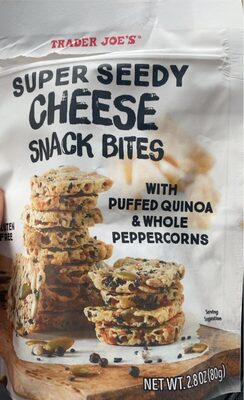
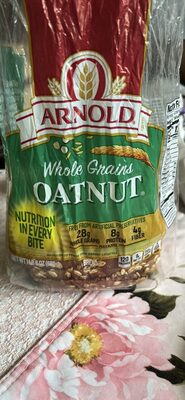
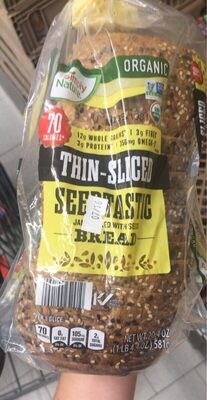
Found in 556 Products
Common Questions
Scientific References
Risk Score
- Pumpkin seeds
- Sesame seeds